
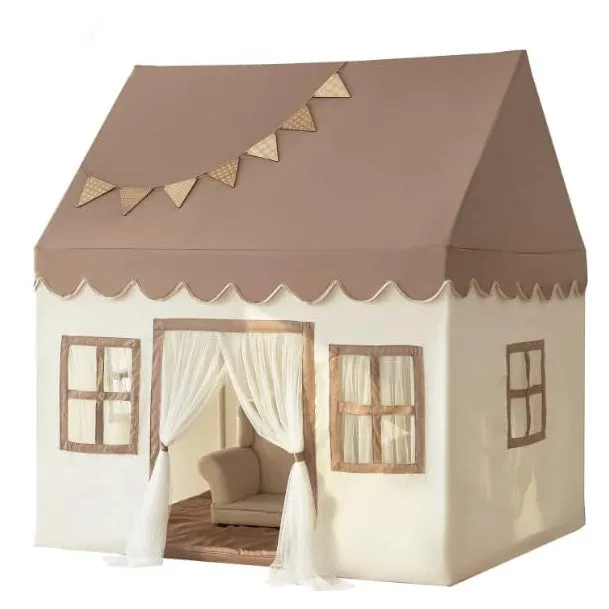
Creating a fun and engaging play environment for children is essential for their development and creativity. One of the best ways to foster imaginative play is by incorporating an indoor play tent into your child’s space. These tents not only provide a cozy retreat but also encourage social interaction, creativity, and physical activity. In this article, we will explore the practical benefits of using an indoor play tent, key features to consider when selecting one, and tips for effective use and maintenance.
Practical Benefits of Indoor Play Tents
Indoor play tents offer numerous practical benefits that enhance children’s play experiences. One of the primary advantages is the promotion of imaginative play. Children have vivid imaginations, and a play tent serves as a blank canvas for their creativity. Whether they envision a magical castle, a secret hideout, or a cozy reading nook, the tent provides a space where they can bring their ideas to life. This type of play is crucial for cognitive development, helping children learn problem-solving skills and improve their ability to think creatively.
Another significant benefit is the creation of a safe and private space. Indoor play tents offer a designated area where children can retreat, fostering a sense of security and independence. This space can be a perfect spot for quiet time, reading, or simply unwinding after a busy day. It allows children to express their emotions and explore their thoughts in a safe environment. For parents, this can provide a much-needed break while ensuring that their children are engaged in a positive activity.
Moreover, play tents encourage physical activity. Many tents are designed for active play, promoting crawling, climbing, and even imaginative games that require movement. This physical engagement is vital for children’s health, helping them develop motor skills and coordination. By providing a fun and dynamic environment, indoor play tents can keep children active, especially during inclement weather when outdoor play may be limited.
Key Features to Consider
When selecting an indoor play tent for your child, several key features should be taken into account to ensure you choose one that meets your needs. First, consider the size of the tent. The dimensions should be appropriate for the space you have available, as well as for the age and number of children who will be using it. A larger tent can accommodate multiple children, while a smaller one may be ideal for individual play. Ensure that there is enough room for the tent without overcrowding the play area.
Material is another crucial factor. Look for tents made from durable, non-toxic materials that are safe for children. Breathable fabrics are preferable, especially if the tent will be used for extended periods. Additionally, consider whether the tent is easy to clean, as play areas can become messy quickly. Some tents come with removable, washable covers, which can be a significant advantage for busy parents.
Ease of setup and takedown is also important. Many indoor play tents are designed to be assembled quickly, often featuring pop-up designs that make setup a breeze. This convenience allows for spontaneous play without the hassle of complicated instructions. Furthermore, consider the tent’s portability; lightweight tents that can be easily folded and stored are ideal for families who wish to move the tent from room to room or take it on trips.
Finally, evaluate any additional features that enhance playtime. Some indoor tents come with accessories like tunnels, windows, or even built-in lighting. These features can add to the overall fun and creativity of the play experience. Choose a tent that offers the right combination of fun and functionality to keep your child engaged.
Tips for Effective Use and Maintenance
To ensure that your indoor play tent remains a source of joy and creativity, proper use and maintenance are essential. Start by designating a specific area for the tent to promote consistent play. Encourage your child to keep the play space organized and tidy, which can help instill a sense of responsibility. Creating a routine for setting up and taking down the tent can also enhance their play experience.
Regularly inspect the tent for any signs of wear and tear. Check seams, fabric, and structural integrity to ensure safety during playtime. If any parts are damaged, address the issue promptly to prevent accidents. Cleaning the tent regularly is also important. Follow the manufacturer’s care instructions to ensure that the fabric remains in good condition and free from dirt or stains.
Engage with your child during playtime to encourage their imagination and creativity. Participate in games, read stories inside the tent, or host small playdates with friends. This involvement can enhance their experience and foster social skills. Additionally, consider rotating toys and activities within the tent to keep the play experience fresh and exciting.
Finally, involve your child in the maintenance of the tent. Teach them how to clean it properly and encourage them to help with setup and takedown. This not only promotes responsibility but also reinforces the value of caring for their belongings, fostering a sense of ownership and pride in their play space.
Conclusion
Choosing the right indoor play tent for your child can significantly enhance their playtime experience by promoting creativity, providing a safe space, and encouraging physical activity. The practical benefits of a play tent, combined with the right features such as size, material, ease of setup, and additional functionalities, make it a valuable addition to any child’s play environment.
By effectively using and maintaining the tent, you can ensure that it remains a cherished space for imaginative play for years to come. Embrace the joy and creativity that an indoor play tent brings, and watch as your child explores new worlds and experiences through their imagination. With the right play tent, you can create a magical space that fuels their creativity and supports their development.


